
A Guide to Night Time Street Photography In The City
Nighttime street photography in a city is a thrilling and challenging pursuit that offers unique opportunities for photographers to capture the urban landscape in a whole new light. As darkness falls, city streets transform into vibrant and dynamic settings, brimming with captivating scenes and intriguing characters. However, shooting at night also presents its own set of technical and creative challenges. In this guide, we will explore essential advice and techniques to help you master the art of nighttime street photography and create stunning images that convey the essence of urban life after dark.
- Equipment and Settings: When venturing into night photography in the city, having the right equipment is crucial. Here are some recommendations:
a. Camera: Invest in a camera with good low-light capabilities and low noise performance, preferably a DSLR or mirrorless camera with manual controls.
b. Lenses: Fast prime lenses with wide apertures, such as 35mm, 50mm, or 85mm, are ideal for street photography at night. They allow more light to enter the camera, enabling faster shutter speeds and capturing sharp images.
c. Tripod: Carrying a lightweight and sturdy tripod can be beneficial for long exposures and ensuring sharpness in low-light conditions.
d. Settings: Use a wide aperture (low f-number) to allow more light into the camera. Adjust ISO sensitivity to balance image quality and noise. Experiment with shutter speeds to capture motion or freeze action as desired.
- Mastering Composition: Composition plays a vital role in creating visually compelling street photographs. Here are some tips to enhance your compositions at night:
a. Look for Leading Lines: Utilize the lines and shapes of the cityscape to guide the viewer’s eye through the frame. Urban architecture, roads, and pathways often provide excellent leading lines.
b. Incorporate Reflections: Puddles, windows, and other reflective surfaces can add depth and visual interest to your shots. Seek out opportunities to capture captivating reflections of city lights or subjects.
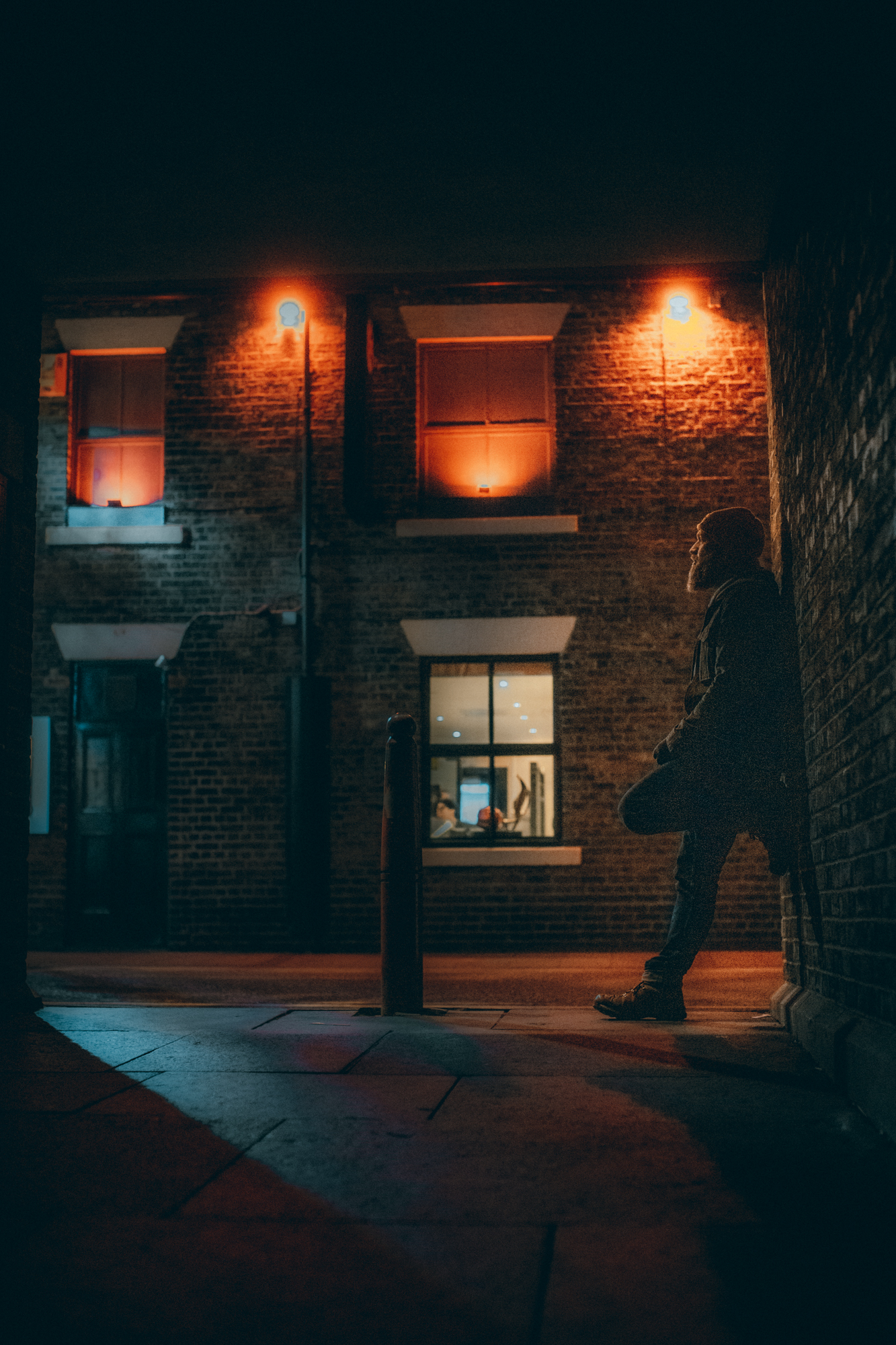
c. Explore Silhouettes: Silhouettes can be powerful storytelling elements. Experiment with backlighting to capture intriguing outlines of people or objects against the city lights.
d. Use Shadows and Contrast: Play with the interplay of light and shadows to create dramatic scenes. Experiment with high contrast and explore the dynamic range to add depth and dimension to your images.

- Working with Available Light: Mastering the available light is crucial in nighttime street photography. Here’s how to make the most of the light available:
a. Golden Hour and Blue Hour: Make use of the transitional periods before sunrise and after sunset known as the golden hour and blue hour. The soft, warm light during these times can add a magical touch to your images.
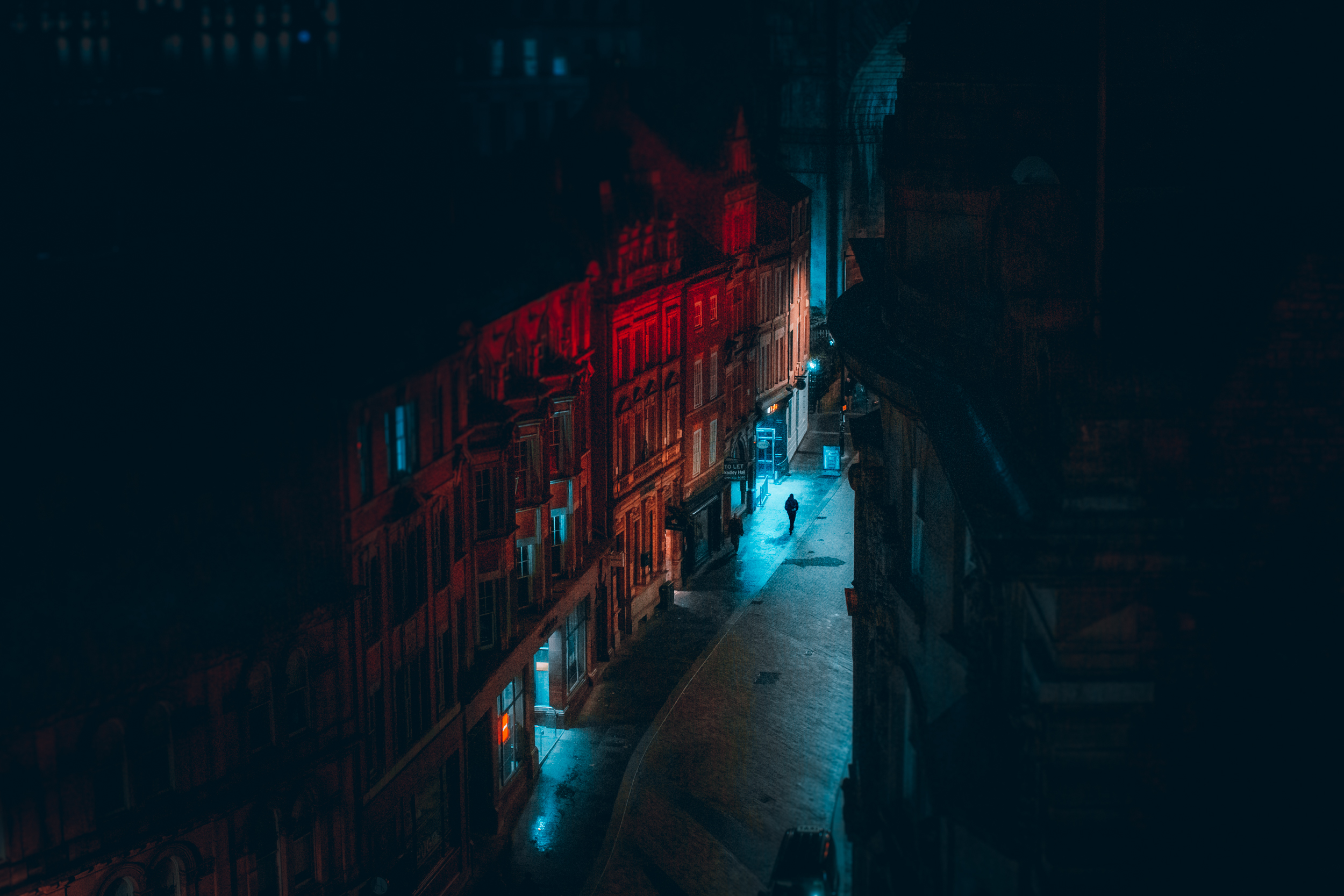
b. Street Lighting: Streetlights, neon signs, and other artificial light sources can serve as dramatic focal points or create interesting color casts. Experiment with different light sources to add atmosphere and character to your compositions.
c. Long Exposures: Experiment with long exposures to capture light trails from passing cars, blurred motion, or smooth water surfaces. Use a tripod to maintain stability during longer exposures.
d. Balancing Flash and Ambient Light: Consider using a flash to illuminate your subjects while retaining the ambient city lights. This technique can help isolate subjects or create unique lighting effects.
- Interacting with the City: Street photography at night is not only about capturing the environment but also about capturing the essence of the people and their interactions with the city. Here’s how to engage with your surroundings:
a. Be Observant: Pay attention to the details, scenes, and moments unfolding around you. Anticipate interesting interactions, expressions, and gestures that tell a story.
b. Respect Privacy and Boundaries: Be mindful of personal space and privacy. While street photography is often candid, it is essential to be respectful and considerate of your subjects’ comfort levels.
c. Engage and Connect: Occasionally, engaging with your subjects and seeking their permission can result in unique opportunities for portraits or insightful conversations that add depth to your images.
d. Explore Different Perspectives: Vary your shooting angles, perspectives, and viewpoints to capture the city in unique ways. Consider shooting from higher vantage points, ground-level, or through reflective surfaces.
Conclusion
Nighttime street photography in the city offers a world of creative possibilities and challenges. With the right equipment, technical knowledge, and an understanding of composition and light, you can capture stunning images that tell captivating stories. Remember to immerse yourself in the environment, be patient, and embrace the unpredictable nature of the streets. Practice, experiment, and develop your unique style. By following the advice outlined in this guide, you will be well on your way to creating striking nighttime street photographs that capture the essence and energy of the urban landscape after dark.suere cubilia Curae; Donec velit neque, auctor sit amet aliquam vel, ullamcorper sit amet ligula. Pellentesque in ipsum id orci porta dapibus. Curabitur aliquet quam id dui posuere blandit. Mauris bla
-
How to take better night-time street photos?
- Use a tripod for stability.
- Experiment with different exposure settings.
- Pay attention to composition and lighting.
-
What camera settings are best for night street photography?
- Use a wide aperture (low f-number) for better light gathering.
- Set a slower shutter speed to capture more light.
- Increase ISO for better sensitivity in low light, but be cautious of noise.
-
How to capture light trails in night photography?
- Use a longer shutter speed (several seconds or more).
- Find a location with moving traffic or other light sources.
- Use a tripod and experiment with different angles and perspectives.
-
What is the best lens for night-time street photography?
- A fast prime lens with a wide maximum aperture (e.g., f/1.4, f/1.8) is ideal.
- Wide-angle lenses (e.g., 24mm, 35mm) are commonly used for street photography.
-
How to reduce noise in night street photography?
- Use a lower ISO setting to minimize noise.
- Shoot in RAW format for better post-processing control.
- Apply noise reduction techniques in post-processing software.
-
How to shoot long exposures in night photography?
- Use a tripod for stability during long exposures.
- Set the camera to Bulb mode or use a long shutter speed.
- Use a remote shutter release or self-timer to prevent camera shake.
-
What are the best locations for night-time street photography?
- Urban areas with vibrant nightlife and interesting architecture.
- Busy streets, markets, or popular landmarks with night lighting.
- Look for areas with contrasting light sources and dynamic scenes.
-
How to use flash in night street photography?
- Use a flash to fill in shadows or add creative lighting.
- Bounce the flash off nearby surfaces for a softer, more diffused effect.
- Adjust flash power and exposure compensation for proper balance.
-
How to create a cinematic look in night street photography?
- Pay attention to composition and framing to create a storytelling atmosphere.
- Incorporate elements of the urban environment to enhance the mood.
- Experiment with post-processing techniques like color grading and adding film-like grain.
-
How to capture interesting shadows in night photography?
- Look for strong light sources that create captivating shadows.
- Use shadows to add depth, contrast, and mystery to your images.
- Experiment with different angles and perspectives to highlight intriguing shadow patterns.
What equipment do I need for nighttime street photography in a city?
For nighttime street photography, it is recommended to have a camera with good low-light capabilities, such as a DSLR or mirrorless camera. Fast prime lenses with wide apertures (35mm, 50mm, or 85mm) are ideal. Additionally, carrying a tripod can be helpful for long exposures and ensuring sharpness in low-light conditions.
How should I adjust my camera settings for night street photography?
Start by using a wide aperture (low f-number) to allow more light into the camera. Adjust the ISO sensitivity to balance image quality and noise. Experiment with different shutter speeds to capture motion or freeze action as desired. Remember to review your images and make adjustments based on the results.
How can I compose my shots effectively at night on city streets?
Look for leading lines in the urban landscape to guide the viewer’s eye through the frame. Incorporate reflections from puddles or windows to add depth and interest. Experiment with silhouettes against city lights and play with shadows and contrast to create dramatic scenes.
How can I make the most of available light for nighttime street photography?
Take advantage of the golden hour and blue hour before sunrise and after sunset to capture soft, warm light. Explore the unique lighting from streetlights, neon signs, and other artificial sources to add atmosphere and character to your images. Consider using long exposures to capture light trails or smooth water surfaces.
How can I interact with the city and its inhabitants during nighttime street photography?
Be observant and pay attention to the details, scenes, and moments unfolding around you. Respect people’s privacy and boundaries while being mindful of capturing candid moments. Engage with your subjects occasionally, seek permission when appropriate, and embrace the opportunity to capture authentic interactions and stories
How can I capture the energy and essence of the city at night?
Experiment with different shooting angles and perspectives to capture the city in unique ways. Vary your viewpoints, such as shooting from higher vantage points or through reflective surfaces. Be patient, immerse yourself in the environment, and embrace the unpredictable nature of the streets to capture the energy and essence of the city at night.
How can I develop my own style in nighttime street photography?
Developing your own style takes time and practice. Experiment with different techniques, compositions, and lighting conditions to discover what resonates with you. Study the works of other street photographers for inspiration, but don’t be afraid to bring your unique perspective and vision to your images. With dedication and exploration, your own style will emerge over time.